We Shall Overcome
Springsteen and Social Causes

Tuesday, March 10, 2026 Entry #217
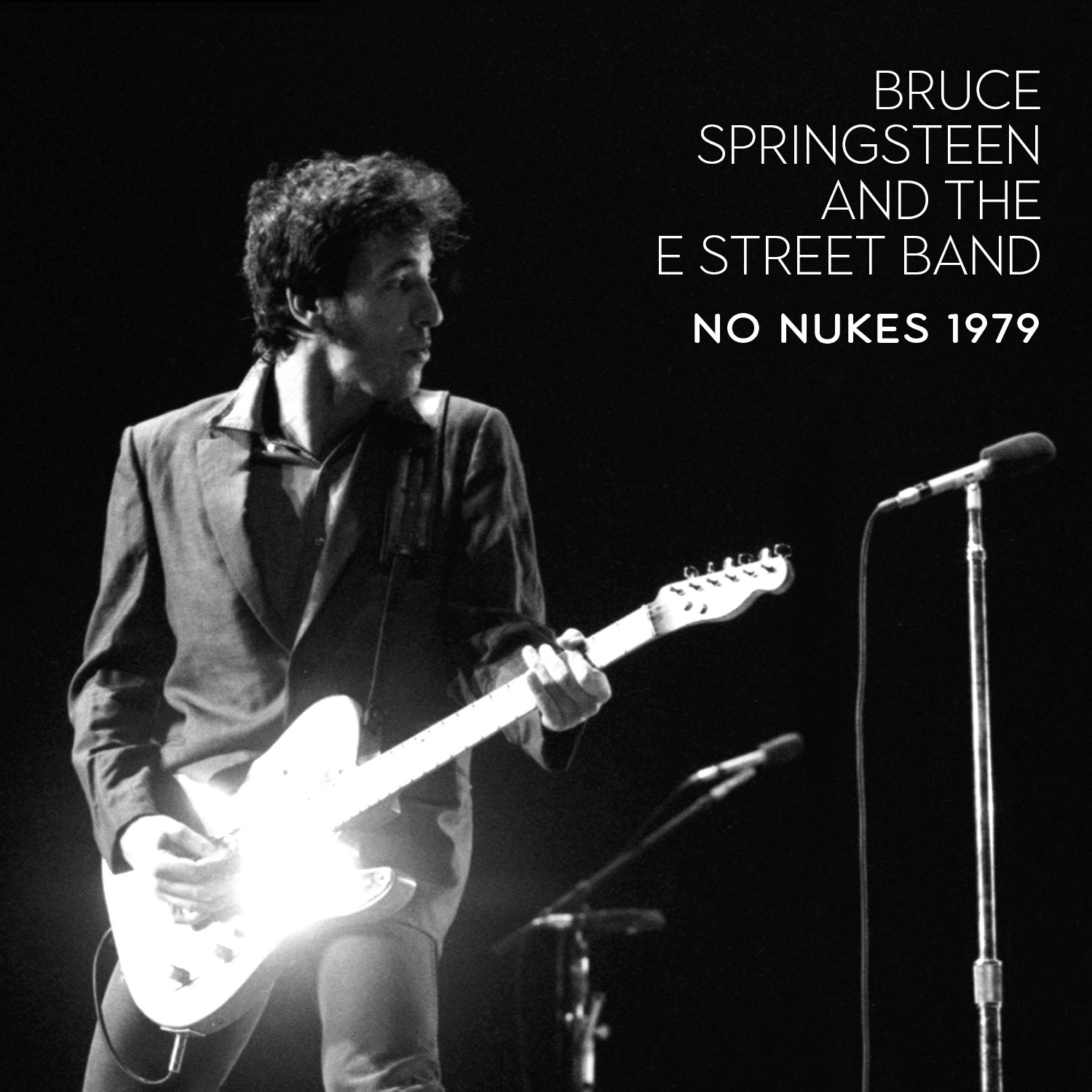
Although Springsteen began writing and singing songs about social conditions early on in his career, it took some time for the emerging rock star to lend his voice to the social causes that try to address them. His first foray was rather tentative. In 1979, at the behest of fellow singer-songwriter Jackson Browne, Springsteen played at a benefit concert organized by Musicians United for Safe Energy (MUSE). Springsteen’s set was incredibly exciting (documented on the No Nukes album and documentary), but devoid of social commentary from the Boss. From there, Springsteen became more and more involved in a variety of causes, and he became an active spokesperson for many of them. The list of issues Springsteen has gotten involved with is long: fighting hunger and homelessness, veteran’s rights, Amnesty International, voter registration, environmental protection, economic justice, police reform, labor rights, and more.
This entry collects some of the essays I have written that focus on Springsteen’s attention to these causes. Of course, for the last twenty plus years, Springsteen has also gotten incredibly involved in presidential politics, participating in the campaigns of the past five Democratic candidates. I have also posted about that aspect of Springsteen’s career (especially about Springsteen’s relationship with President Obama), and those entries will be compiled in my next post.
For years, at nearly every one of his stateside concerts, Bruce Springsteen has made sure that there is an accompanying effort to motivate the tens of thousands of fans in attendance to serve others by donating to a good cause. Not only are there volunteers at the shows poised to disseminate information and take contributions, but Springsteen himself always makes an appeal on behalf of the given cause from the stage. Most often, the organizations partnering with Springsteen on his tours are those fighting hunger and food insecurity. I wrote about this sustained effort when I returned from my first Springsteen road trip:

It has become a big part of the Bruce Springsteen narrative that on the very day of the attacks of September 11, 2001, a random fan saw the Boss out and about, rolled down his window, and shouted, “Bruce, we need you!” This essay is about how Springsteen rose to the tragic occasion and responded with new music, filled with mourning, empathy and hope:

This essay is about another time Bruce Springsteen courageously responded to a tragic event with powerful music, the police killing of an African immigrant named Amadou Diallo:

In early 2021, the nation was still reeling from Donald Trump’s denial of his election defeat, and the attempted insurrection he summoned. The COVID-19 pandemic was adding to the societal uncertainty and unease. For many, Bruce Springsteen’s solitary appearance in front of the Lincoln Memorial to celebrate President Biden’s inauguration provided a moment of healing, and once again, hope. It moved me immeasurably, so when I was in Washington D.C. to see a Springsteen concert in 2023, I wrote down some of my reflections about that time:

One of Springsteen’s most powerful songs about social justice, channeling John Steinbeck and Woody Guthrie, is “The Ghost of Tom Joad.” When I saw Springsteen perform the song in Los Angeles in 2024 (with special guest Tom Morello), I focused on it in one of my reviews.

Most recently, Bruce Springsteen responded to the hard-liner deportation efforts in Minneapolis and the harsh treatments of citizens who protested them with a quickly arranged new song and an upcoming tour. I reported on all the announcements and news with the following posts: